
Centering Hope and Healing for Boys and Men of Color: Assembly Select Committee Hearing Recap

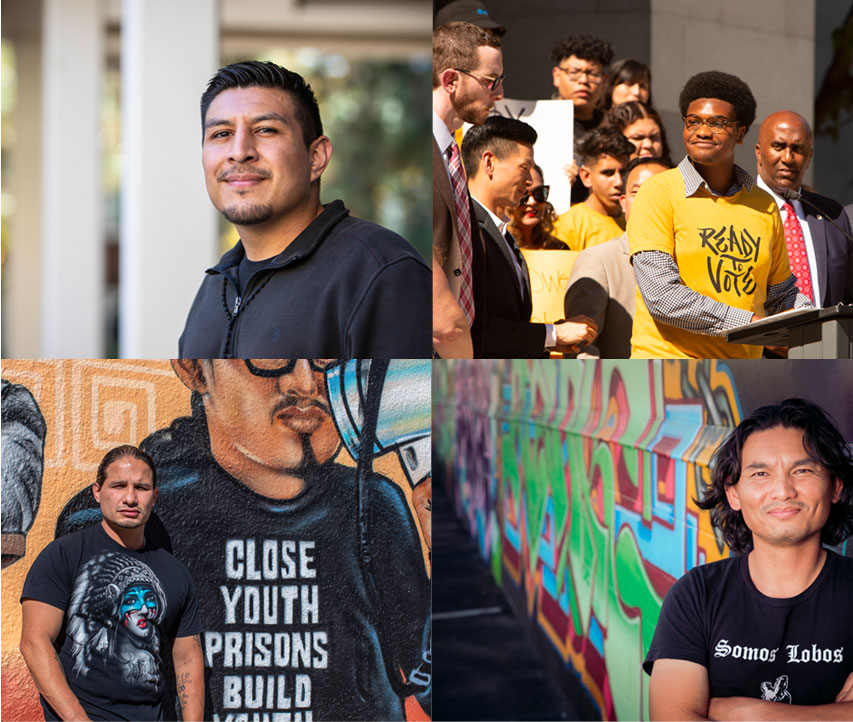
On February 27, California Funders for Boys and Men of Color co-hosted the Assembly Select Committee Hearing on the Status of Boys and Men of Color at Chuco’s Justice Center in South Central Los Angeles.
Organized in partnership with the Alliance for Boys and Men of Color and the office of Assemblymember Isaac G. Bryan, the hearing brought together community leaders, advocates, policymakers, and young people to reflect on what it will take to build real opportunity for boys and men of color across California.
Assemblymembers Ash Kalra, Mia Bonta, Isaac G. Bryan, and Mike Fong participated in the hearing, signaling strong legislative engagement in advancing equity and opportunity statewide. But the heart of the conversation came from those most directly impacted.
Young people shared their lived experiences navigating systems that too often fail them, while community members who had served long prison sentences spoke about rebuilding their lives through community-based programs, mentorship, and the power of second chances. Their stories reinforced that when people are given support, opportunity, and belief in their potential, transformation is possible.
The hearing created space for honest dialogue about the future of youth justice in California. Panelists and attendees explored how the state can move beyond systems rooted in incarceration, policing, and punishment and toward solutions grounded in care, healing, accountability and self-determination.

There is growing recognition that lasting public safety and community wellbeing cannot be built through punishment alone. It requires sustained investment in people, community-based programs, and the organizations that are creating real pathways for young people to thrive.
The setting itself reflected that transformation. Chuco’s Justice Center—home to the Youth Justice Coalition—once served as a probation department building and juvenile detention facility. Today, the space has been reclaimed and transformed into a hub for youth development, restorative justice, healing, and community organizing. Its evolution from a site of confinement to a center for restoration embodies the change that advocates and communities are working to achieve across California.
Over the past ten years, CFBMoC and its partners have worked to dismantle systemic barriers facing boys and men of color—from early childhood into adulthood. That work has included connecting thousands of young men to employment opportunities, advocating for the closure of California’s Division of Juvenile Justice, amplifying the voices of boys and men of color through storytelling initiatives, and investing in organizations advancing educational equity.
The hearing also came at a critical moment. As national conversations increasingly focus on the challenges facing boys and young men, California has a real opportunity to lead.
Community leaders and policymakers shared that California can bridge the gap between knowing what boys and men of color need to thrive and putting the right policies and investments in place to make that possible, emphasizing that advancing educational equity, ending the school-to-prison pipeline, and expanding access to economic opportunity are deeply interconnected.

When young people have access to strong schools, meaningful employment pathways, and supportive communities, involvement in the criminal legal system declines. Across California, data and community experience continue to show that investing in opportunity produces better outcomes for young people, families, and communities.
And while progress has been made, the work is far from finished.
Participants called on the state to build on existing momentum by establishing sustained investments in boys and young men of color—investments that support community-led solutions and reflect what we already know works.
Retreating from this work would mean returning to systems that have long failed young people and communities. Instead, the path forward requires doubling down on approaches rooted in healing, opportunity, and partnership with the communities closest to the challenges.
By bringing together community voices, legislative leadership, and philanthropic partners, the February 27 hearing offered a powerful reminder of what it looks like to deeply invest in the well-being of boys and men of color and their communities. We look forward to continuing this work alongside community partners to advance this vision.