
CFBMoC Member Spotlight: Brandon Johns, Director, San Francisco Foundation
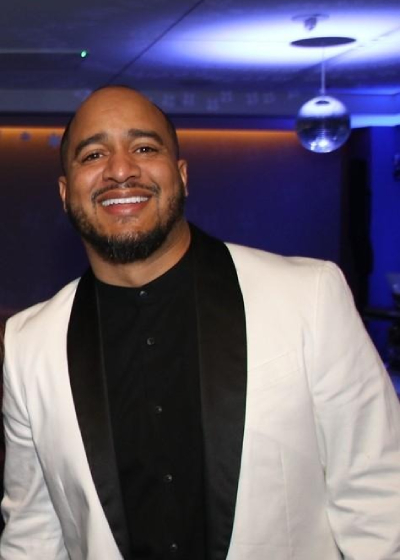 This month, we had an opportunity to interview CFBMoC member Brandon Johns, Director of the Koshland Program at the San Francisco Foundation.
For more than 40 years, the Koshland Program has worked to empower Bay Area communities, neighborhood to neighborhood, by supporting and investing in local leaders. Through this Neighborhood Fellowship model, the program provides leaders with resources, relationships, and funding to invest in the priorities they identify as most impactful for their communities. The program’s work builds on the San Francisco Foundation’s commitment to racial equity and economic inclusion by supporting local leaders to build power, strengthen their communities, and advance the change they envision in the neighborhoods where they live and work.
Learn more about Brandon below.
What is the most pressing issue facing California’s boys and men of color today?
One of the most pressing issues facing boys and men of color is the persistence of systemic structures that harm and destabilize their communities. This includes the disruption of families through the prison industrial complex, the school-to-prison pipeline, outdated education systems that fail to support young people equitably and a continued lack of access to quality jobs and economic opportunity.
These interconnected systems continue to limit opportunity and reinforce inequities. Having spent much of my life on the East Coast, I would say these challenges are not unique to California—they are present wherever systemic oppression exists.
What is one call to action for philanthropic peers to support and sustain the movement to build thriving communities for boys and men of color?
Philanthropic partners should prioritize sustained investment in workforce development, particularly for individuals and communities that have been most harmed by inequitable systems. Supporting pathways to meaningful employment, entrepreneurship and economic mobility is essential to building stronger communities and creating long-term stability.
There are numerous entry points for foundations to support this work, including investing in education and career pathways, advancing policies that expand economic opportunity and dismantling barriers to employment.
Lasting change requires investing long-term in the people and organizations closest to the work, strengthening local leadership and creating more opportunities for boys and men of color to thrive.
What keeps you hopeful about the future?
What keeps me hopeful is that communities that have historically been cut off from resources are gaining greater access to information, networks and opportunities. As knowledge and tools become more accessible, more people can advocate for themselves, build economic stability and shape the future of their communities.
Is there something you have recently read, watched or listened to that inspires you or your work?
The life and work of Jesse Jackson has recently inspired me. I have long admired his oratory skills and leadership, and revisiting his speeches and legacy of organizing has provided valuable perspective. His ability to connect moral clarity with action continues to offer lessons for those working toward justice and opportunity today.